


How Much Does Outdoor Lighting Cost? Real Numbers and Installation Prices for Homeowners
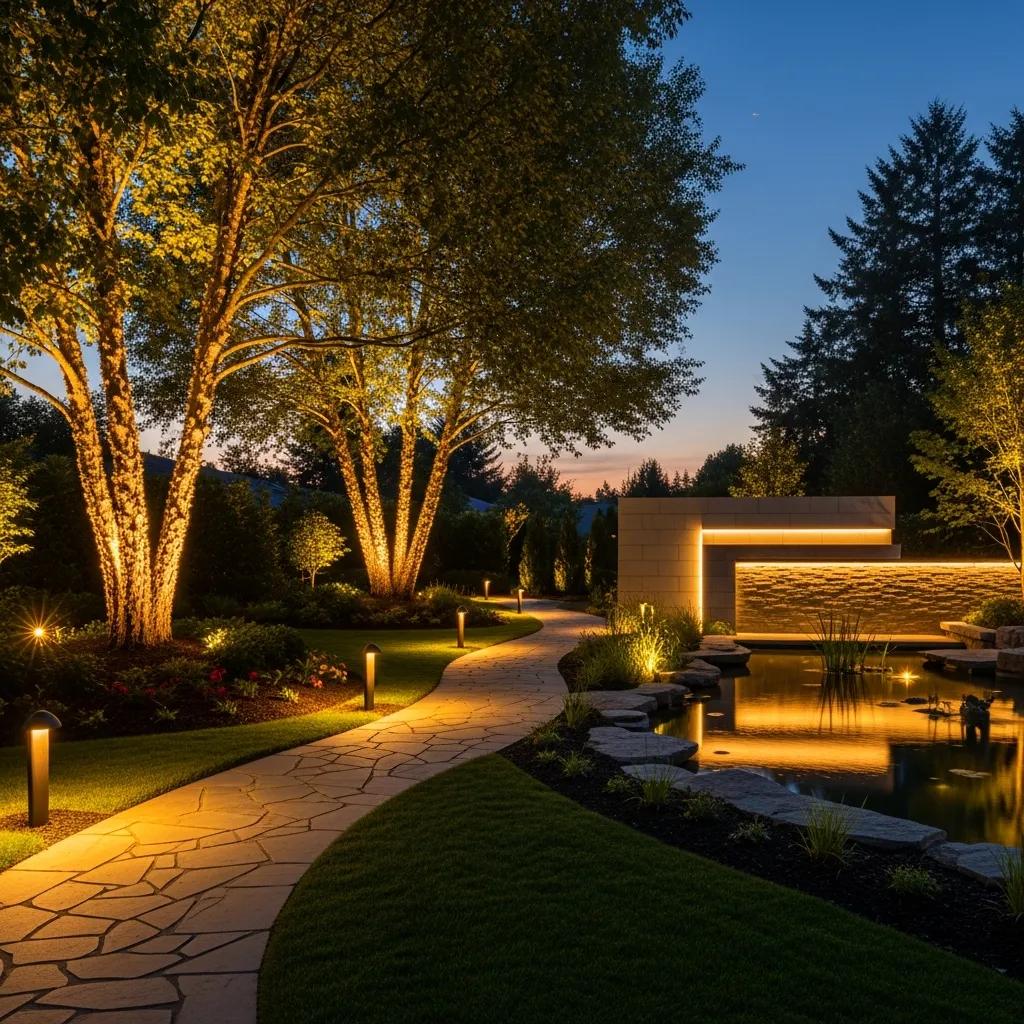
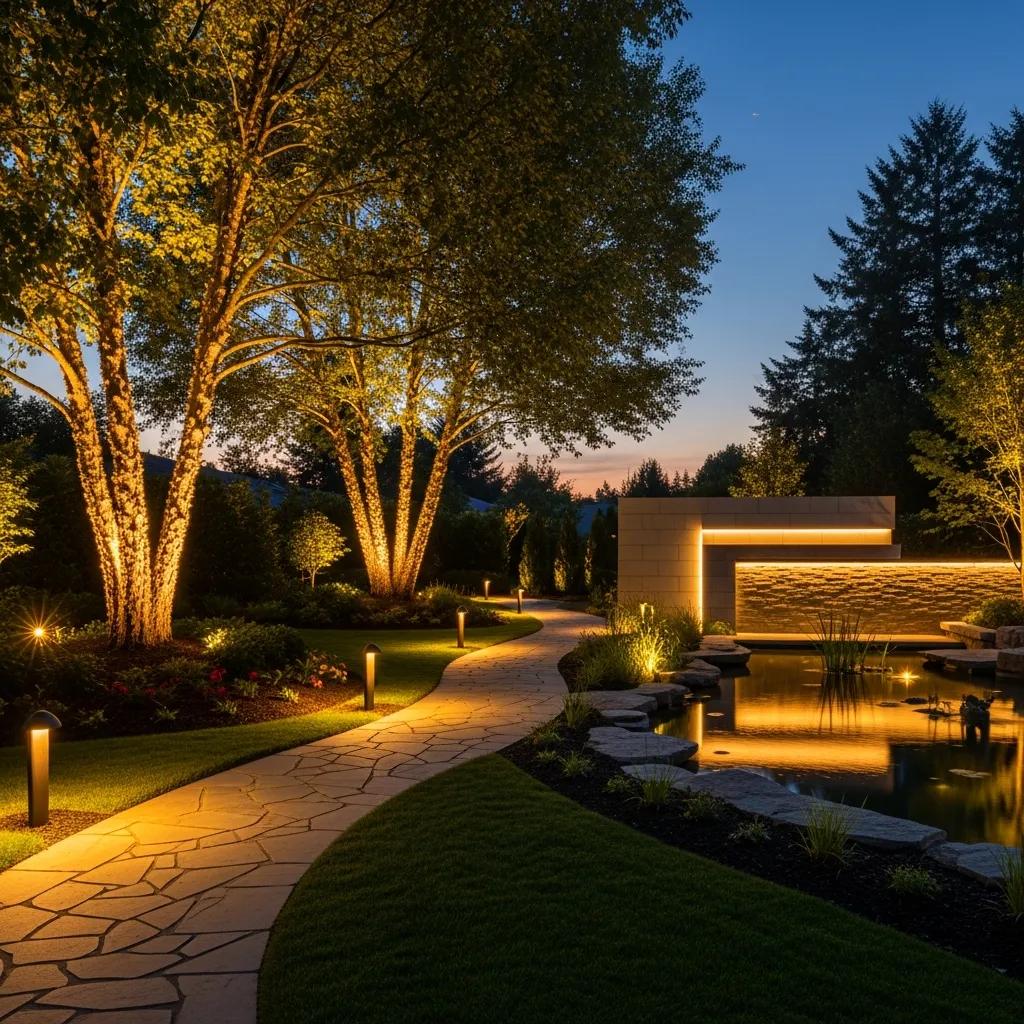
Outdoor lighting cost varies widely, but a useful snapshot for homeowners in 2025 places typical installed systems between a few hundred dollars for very small projects and $10,000+ for estate-scale designs; most residential installs fall between $1,200 and $6,000 depending on scope, fixture quality, and controls. This article explains average cost ranges, per-fixture pricing, and the installation price drivers that determine whether a project is a modest patio upgrade or a full landscape lighting system. Homeowners need actionable guidance to budget correctly, choose between LED and traditional options, weigh DIY versus professional installation, and get accurate quotes that reflect design, labor, wiring, and smart controls. Below we break costs into project-sized examples, compare fixture types and LED lifecycle economics, outline the primary cost drivers, and show how custom designs and smart controls influence both upfront expense and long-term value. Practical checklists and tables help you scan typical budgets quickly, and a final section explains what to expect from a professional design consultation to get a transparent, itemized estimate. Read on to learn exact cost ranges, the biggest price levers, and how to secure an accurate, trustworthy quote for your outdoor lighting project.
What Is the Average Cost to Install Outdoor Lighting for Homes?
Installed outdoor lighting for homes ranges from under $1,000 for simple, low-voltage pathway upgrades to $8,000–$15,000 for comprehensive, multi-zone estate systems with premium fixtures and smart controls. The primary cost differences come from fixture count, fixture grade (luxury LED vs basic), trenching/wiring length, and control systems; these determine whether your project stays modest or moves into a high-end bracket. Homeowners often misjudge per-fixture math, assuming fixture price alone equals installed cost, when labor, transformer capacity, and design time are substantial contributors. The following table gives quick, scannable examples of typical project scopes and their corresponding budget ranges so you can map your property to a realistic cost band. The examples below help homeowners choose a starting budget and anticipate which features will push them into the next price tier.
| Project Type | Typical Installed Cost Range | Example Scope |
|---|---|---|
| Basic pathway & step lighting | $800 – $1,800 | 10–15 low-voltage pathway fixtures, small transformer, minimal trenching |
| Mid-range yard & patio system | $2,000 – $5,000 | 20–40 fixtures (uplights, path, deck), moderate trenching, single-zone smart control |
| High-end estate system | $6,000 – $15,000+ | 50+ premium LED fixtures, multi-zone control, extensive trenching, architectural uplighting |
This breakdown clarifies how fixture count and project complexity translate into budget bands and sets the stage for understanding per-fixture and labor contributions to overall price.
What Are the Typical Price Ranges for Landscape, Patio, and Permanent Lighting?
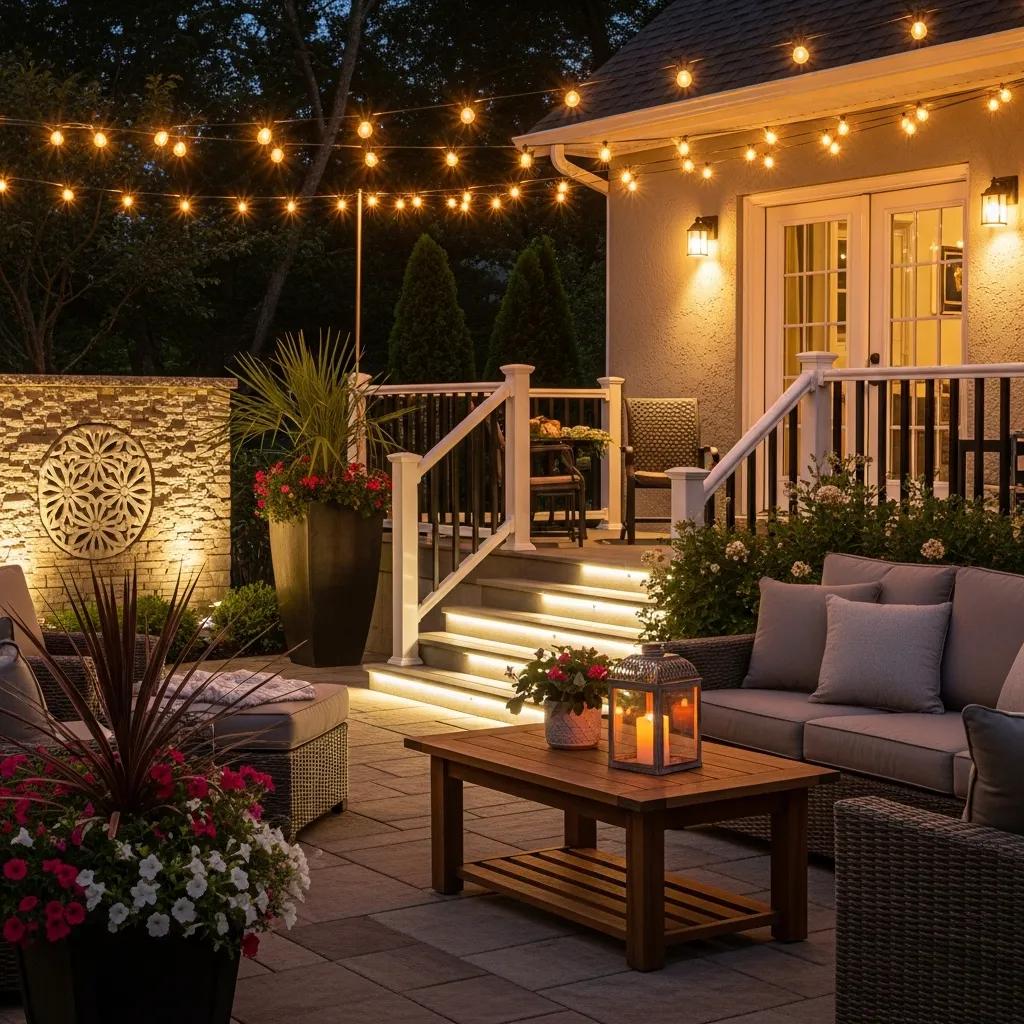
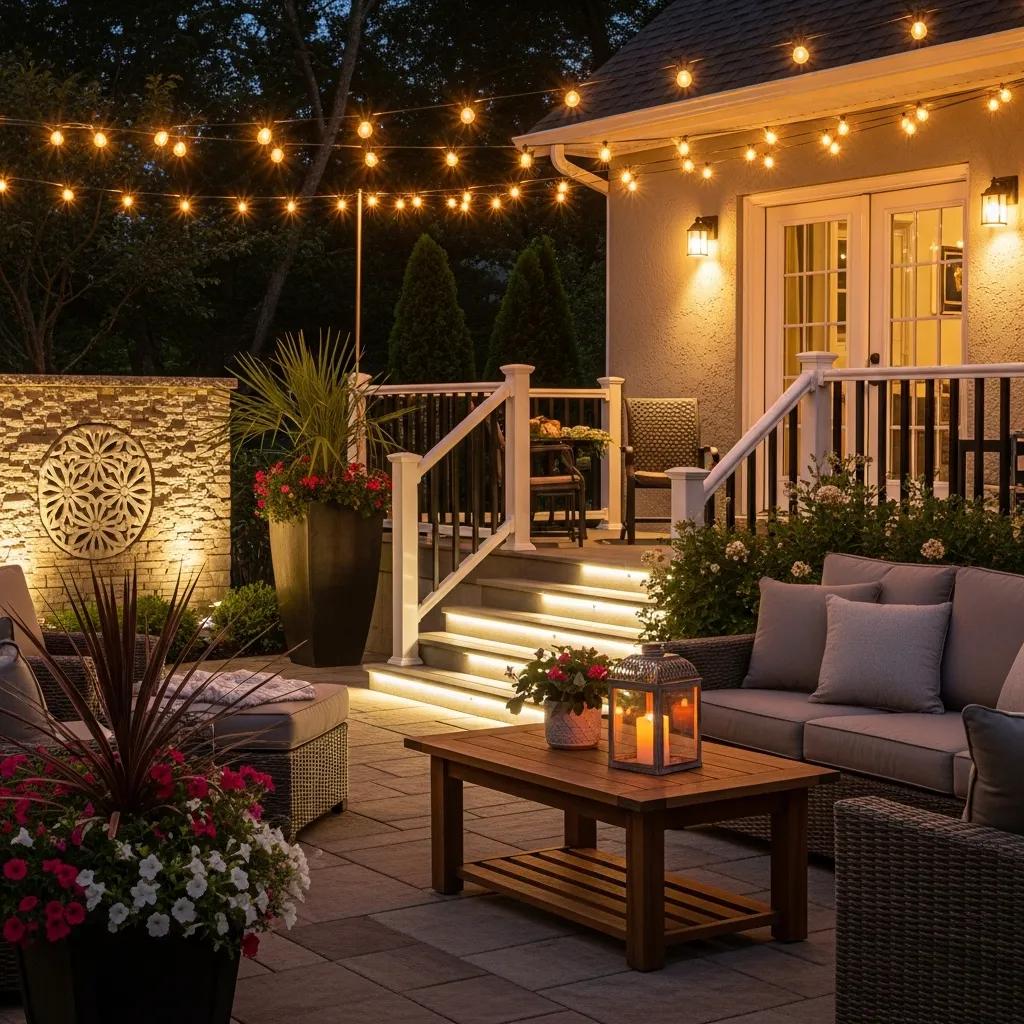
Landscape, patio, and permanent architectural lighting each have different cost drivers and typical budgets based on scope and fixture selection. Landscape or yard lighting that emphasizes pathways and accent trees often uses low-voltage fixtures and falls in the $800–$3,000 range for many suburban lots, reflecting fewer fixtures and simpler wiring. Patio and deck lighting frequently includes deck lights, step lights, and string or canopy systems; a modest patio upgrade typically costs $600–$2,500, while integrated permanent solutions with transformers and smart timers push budgets higher. Permanent architectural lighting that highlights facades, columns, and landscapes requires premium fixtures and more precise aiming and often sits in the $3,500–$15,000 range for larger properties. Understanding these typical price buckets helps homeowners choose which areas to prioritize and why some systems require larger budgets for professional design and installation.
How Do Project Size and Complexity Affect Total Installation Cost?
Project size and complexity scale costs through three main channels: fixture quantity, trenching/wiring distance, and control/zoning sophistication. Larger properties raise linear wiring costs, increase transformer capacity needs, and typically require multi-zone controls for independent scheduling, which multiplies both material and labor time. Complex sites with hardscape, pools, or restricted access often add trenching or conduit costs and require more time to set and aim fixtures, increasing labor by 20–50% versus straightforward installs. Budget buffers of 10–20% are prudent to cover unexpected site conditions such as root systems, existing irrigation conflicts, or the need for additional transformers; planning for these contingencies reduces the likelihood of scope creep. These complexity factors directly lead into the next section on the specific cost drivers homeowners can prioritize to control overall price.
Which Factors Influence Outdoor Lighting Costs the Most?
Outdoor lighting costs are primarily driven by five interrelated factors: fixture type and quality, labor and installation complexity, design fees, wiring/trenching extent, and control systems. Fixture selection sets baseline material costs and lifespan expectations; labor and site conditions determine hours and hourly rates; design fees cover layout and aiming; trenching and wiring add variable material plus excavation costs; and controls (timers, smart controllers, sensors) add both equipment and programming time. Each factor interacts with the others — for example, choosing premium fixtures often requires a heavier transformer and more precise installation labor — so homeowners should prioritize which elements deliver the most value per dollar. Below are the top cost drivers presented as an actionable list you can use when scoping or negotiating a quote.
The top cost drivers for outdoor lighting are:
Fixture type and quality: higher-grade, corrosion-resistant LED fixtures raise upfront material costs.
Labor and installation complexity: site access, trenching, and multi-trade coordination increase hours billed.
Design and aiming: professional design ensures correct spacing, angles, and scene creation.
Wiring and trenching distance: long runs or conduit needs add materials and excavation time.
Controls and automation: multi-zone smart controllers and sensors add equipment and programming labor.
Prioritizing these drivers helps homeowners decide where to invest for maximum effect; the next subsection shows how fixture choice specifically affects pricing and lifespan.
How Do Fixture Types and Quality Affect Outdoor Lighting Prices?
Fixture type and material quality strongly influence per-fixture price, longevity, and maintenance needs. Basic low-voltage pathway fixtures can cost $20–$75 each for the fixture alone, while robust uplights, floodlights, and premium architectural LED fixtures often range from $100–$400 per unit. Material choices such as die-cast aluminum, sealed stainless steel, or marine-grade finishes add to upfront cost but reduce corrosion and replacement frequency in wet or salty environments. Choosing higher-quality fixtures typically results in fewer replacements, better beam control, and more consistent color temperature, which can justify the premium over a 5–10 year lifecycle. This relationship between fixture quality and long-term performance leads naturally into examining how labor and installation complexity compound overall pricing.
| Fixture Type | Average Fixture Price (Retail) | Typical Uses / Material Notes |
|---|---|---|
| Pathway lights | $20 – $75 | Low-voltage, small accent lighting; economical for large counts |
| Uplights / spotlights | $75 – $200 | Architectural accent, tree illumination; higher heat dissipation and aiming precision |
| Floodlights / area lights | $100 – $350 | Security and broad area coverage; often integrated with sensors |
| Premium architectural LEDs | $150 – $400+ | Corrosion-resistant finishes, precise beam control, long warranty options |
Higher upfront fixture investment often lowers total cost of ownership due to longer life and reduced maintenance, which is important when comparing LED vs traditional options in the next section.
What Role Do Labor and Installation Complexity Play in Pricing?
Labor is frequently 30–60% of total installed cost and varies with local labor rates, crew composition (landscape techs vs electricians), and project complexity. Typical hourly rates depend on region and trade but the true driver is how many crew-hours a site requires: simple pathway installs may need a day or two, while multi-zone estate systems can take multiple crews and several days. Additional costs include permitting or electrical inspections in some jurisdictions, coordination with other trades (irrigation, masonry), and quality assurance tasks such as aiming and photometric verification. Retrofits into existing systems typically require more troubleshooting and can raise labor time compared with new installs, which are more predictable. Labor considerations transition directly into lifecycle economics, especially when comparing LED fixtures' lower maintenance needs to traditional bulbs.
How Does LED Outdoor Lighting Compare in Cost and Long-Term Value?
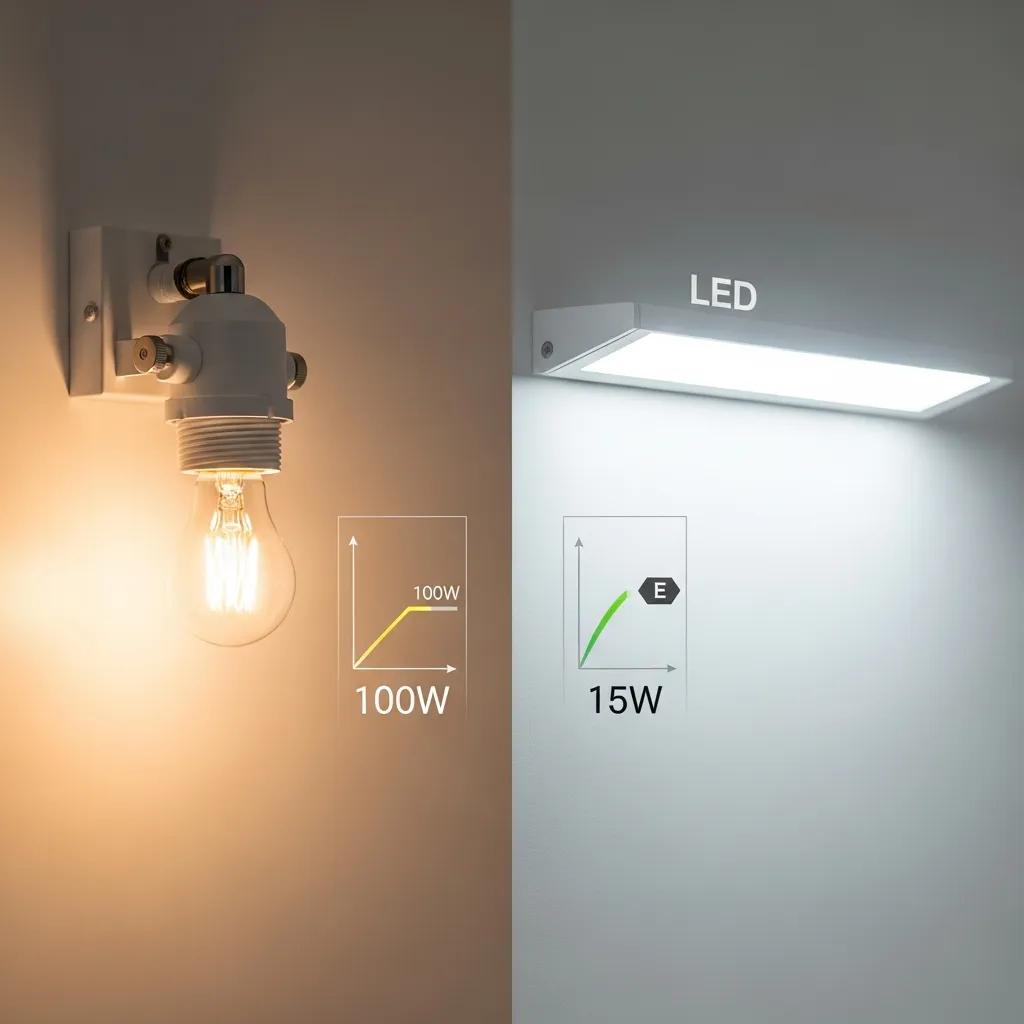
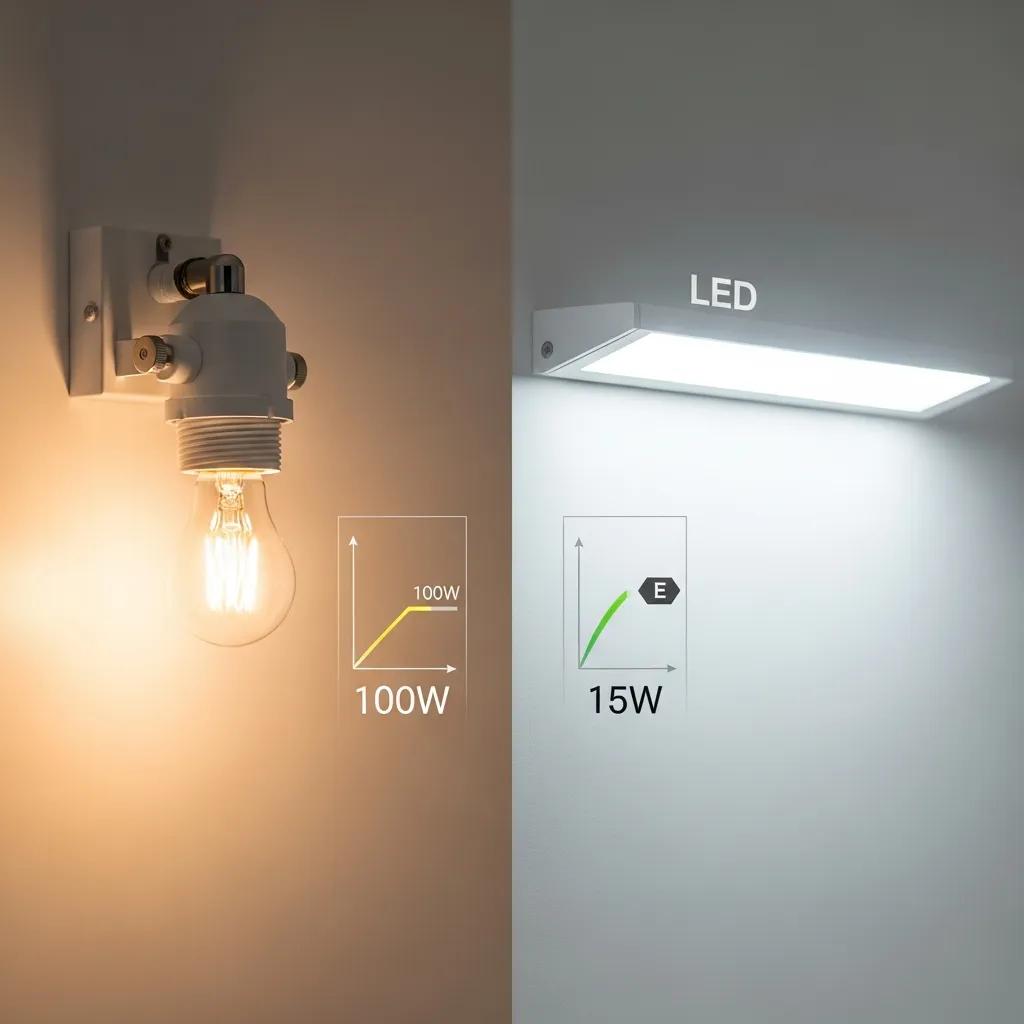
LED outdoor lighting commonly carries a higher upfront fixture cost but delivers lower operating and maintenance costs over its lifetime, creating a favorable lifecycle cost profile. Upfront, LED fixtures typically cost 20–100% more than equivalent halogen or incandescent fixtures depending on quality and integrated features, but LEDs consume up to 70–80% less energy and often last 5–10 times longer. These energy and replacement savings shorten payback periods, particularly when installations use many fixtures or run nightly for long hours. The following table gives a compact comparison of upfront versus operating costs to illustrate how LED selection affects total cost of ownership. Understanding these lifecycle dynamics helps homeowners justify higher initial spending when long-term savings and reduced maintenance are priorities.
LED Lighting Market Transformation: Cost and Performance Trends The lighting industry has gone under major transformations in recent decades. These changes are both at components/luminaires and system level. In 1999, Haitz stated that lumen per package will increase by a factor of 30 and the cost per lumen will decrease by factor of 10 [1]. This is also known as Haitz’s law [2]. In 2011, Haitz’s law is revisited; though the cost per lumen decremental rate remained the same, lumen per package incremental rate dropped to 20 [3]. According to revised Haitz’s law, LED has entered to era that can overcome its adoption barrier—high lamp price and low light output per emitter [2, 4]—in general lighting section. Next Generation Lighting Industry Alliance (NGLIA)’s presentation to the Department of Energy (DOE) shows that LED would disrupt the traditional lighting resource and dominate the lighting market by 2020 [5]. Landscape Analysis: Connected Lighting System, TU Daim, 2018
The lighting industry has undergone significant transformations, with LED technology leading the charge in cost reduction and performance improvements, fundamentally altering the market landscape.
| Metric | Traditional Halogen/Incandescent | LED Fixtures |
|---|---|---|
| Upfront fixture cost | Lower ($) | Higher (20–100% premium) |
| Energy consumption | High | Low (70–80% savings) |
| Lifespan | 1–2 years (bulbs) | 5–15+ years (fixtures) |
| Maintenance frequency | Frequent bulb changes | Infrequent replacements |
Recognizing the total cost impact of LEDs feeds directly into decisions about premium fixtures, which are explored in the next subsections comparing installation premiums and long-term maintenance.
Are LED Fixtures More Expensive to Install Than Traditional Bulbs?
LED fixtures often require a higher initial outlay for the fixture itself, but the incremental installation cost is usually modest when replacing or designing a new low-voltage system. The premium per fixture commonly ranges from $30 to $200 depending on fixture class; however, retrofit installs that reuse transformers and conduit can reduce that premium, while full upgrades to high-power LED arrays may require larger transformers and slightly higher labor. Many homeowners find the premium justified when factoring in utility rebates, reduced lamp replacement costs, and immediate energy savings. When planning a budget, include a short payback estimate that compares additional upfront LED cost against expected annual energy and maintenance savings to evaluate whether the LED premium is quickly offset.
What Are the Long-Term Operating and Maintenance Costs of LED Lighting?
LED fixtures reduce long-term operating and maintenance costs through dramatically lower energy use and longer rated life, which cuts replacement frequency and service visits. For example, replacing halogen bulbs every 1–2 years contrasts with LED fixtures rated for 25,000 to 50,000+ hours, meaning many fixtures require no lamp changes for several years. Annual maintenance savings depend on fixture count and run hours but commonly range from tens to hundreds of dollars per year for typical residential systems, compounding over a 5–10 year period. Reduced maintenance also lowers the likelihood of improperly reinstalled bulbs or alignment errors, preserving design intent and appearance; this lifecycle advantage supports prioritizing higher-quality LED fixtures during initial design and budgeting.
Should Homeowners Choose DIY or Professional Outdoor Lighting Installation?
Choosing DIY versus professional installation is a decision that balances upfront savings against hidden costs, safety risks, and long-term value. DIY can save on direct labor but often leaves homeowners exposed to mistakes in spacing, aiming, waterproofing, and electrical code compliance that create higher long-term expenses or safety issues. Professional installers provide design, correct transformer sizing, warranty-backed fixtures and workmanship, and proper control programming, which reduce rework and maintenance. When evaluating professional options, homeowners should weigh those value-adds against initial costs and consider providers that offer visualization tools, transparent pricing, and guarantees to reduce risk. The next paragraphs list common DIY risks and then contrast professional value propositions, including select provider features to consider.
DIY commonly raises these hidden risks and costs:
Safety and compliance issues: improper low-voltage wiring or sealed connections can create hazards or fail inspections.
Poor design and performance: incorrect spacing, beam angles, or inadequate transformer sizing lead to uneven lighting.
Higher long-term cost: rework, premature fixture replacement, and lost energy savings can outweigh initial labor savings.
Summarizing, DIY may suit very small, simple projects, but larger or aesthetic-critical systems typically benefit from professional design and installation to protect value.
What Are the Hidden Costs and Risks of DIY Outdoor Lighting?
DIY projects often overlook continual site maintenance and technical details that professionals plan for, such as IP-rated fixture sealing, correct wire gauge over long runs, and transformer capacity for simultaneous loads. Mistakes frequently surface as uneven illumination, premature fixture failure due to moisture ingress, or overloaded transformers, requiring paid rework that can exceed original DIY savings. Time investment is another hidden cost: accurate layout, trenching, and aiming demand many hours and specific tools that homeowners may not own. These risks make it sensible to choose DIY only for very small, non-critical jobs and to budget contingency funds if tackling larger installations, which leads into how professional services can mitigate these issues.
How Does Professional Installation Provide Better Value and Peace of Mind?
Professional installation delivers value through proper design, quality fixtures, warranty coverage, and commissioning that ensures scenes, timers, and zones work as intended — reducing total cost of ownership. Professionals perform load calculations, aim fixtures for intended effects, and coordinate necessary trenching and permits, which prevents common rework and performance issues. Certain providers also use visualization technology to preview designs, offer luxury LED products, and back installations with a worry-free guarantee and strong customer service, which increases homeowner confidence in paying a slightly higher upfront price for long-term satisfaction. Choosing a reputable professional often means fewer surprises and a system that maintains its intended look and function over time, which is particularly important for complex or high-visibility installations.
How Can Homeowners Maximize Their Investment with Custom Outdoor Lighting Designs?
Custom outdoor lighting increases property value and usability when designed to highlight architectural features, create layered zones, and integrate smart controls that extend usable outdoor hours. Thoughtful zoning and scene-setting let homeowners prioritize high-impact areas (front entry, patio, key landscape features) while limiting fixture count in lower-priority zones, balancing cost and effect. Smart controls and multi-zone scheduling add convenience and can reduce energy usage through adaptive scenes and motion-based activation, which aids ROI despite higher upfront control costs. Below is a list of design features to consider when maximizing investment in both aesthetic value and long-term savings.
Design features that increase ROI and usability:
Zoning and scenes: separate control of entry, landscape, and patio areas for targeted use.
Architectural uplighting: highlights facade lines and key textures for curb appeal.
Smart controls and sensors: reduce run-time and energy usage while increasing convenience.
Premium fixtures and finishes: extend lifespan and preserve appearance in harsh conditions.
Selecting a phased approach or prioritizing zones allows homeowners to spread costs while still achieving immediate improvements; the next subsection details how specific smart features alter pricing.
How Do Custom Design Features and Smart Controls Affect Pricing?
Custom design features such as multiple lighting zones, RGBW color-control fixtures, and integrated smart interfaces increase both material and programming costs, typically adding several hundred to several thousand dollars depending on complexity. Multi-zone setups require larger controllers or multiple control modules and more wiring runs, while sophisticated scene programming adds technician time during commissioning. RGBW fixtures or color-tunable systems carry a premium over single-color LEDs and may require specialized controllers or apps. For budget-conscious homeowners, phasing — installing core zones first and adding advanced controls or color features later — is a practical approach to spread cost while preserving upgrade paths. Providers that emphasize visualization and custom design can illustrate how these incremental investments impact both aesthetics and long-term value.
What Is the Return on Investment for Outdoor Lighting in Home Value and Security?
Outdoor lighting improves perceived value and security through enhanced curb appeal, visible entry illumination, and deterrence of opportunistic crime, providing both tangible and intangible returns to homeowners. Quantifying ROI depends on local real estate markets, but well-executed lighting often improves first impressions during showings and increases usable outdoor time, which buyers frequently regard as valuable. Energy and maintenance savings from LED systems contribute to a shorter payback period, while professional design ensures the lighting complements landscaping and architecture rather than appearing as an aftermarket add-on. Considering these elements together helps homeowners prioritize investments that deliver both functional benefits and improved marketability.
How Can Homeowners Get Accurate Outdoor Lighting Cost Estimates?
Accurate outdoor lighting estimates come from a structured process that combines site review, design visualization, itemized pricing, and clear timelines. Homeowners should prepare photos, property dimensions, desired focal points, and a preliminary budget range before a consultation to speed the design and ensure quotes reflect intentions. A transparent quote includes fixture counts and types, labor hours, trenching estimates, transformer and control specifications, and warranty or guarantee terms. The following stepwise checklist outlines what to prepare and expect during a professional estimate to increase quote accuracy and avoid ambiguity between parties.
Steps to get an accurate outdoor lighting estimate:
Prepare site photos, property dimensions, and a short list of desired features or focal areas.
Request an on-site or virtual design review that results in a proposed layout and fixture schedule.
Ask for an itemized quote that separates materials, labor, trenching, controls, and design fees.
Confirm warranty, service terms, and expected timeline for installation and commissioning.
Using this process gives homeowners a clear baseline for comparing multiple proposals and understanding where value lies; the next two subsections describe what to expect from a specific free design consultation and how guarantees influence cost transparency.
What Should You Expect from a Free Design Consultation with Blingle!?
A free design consultation with Blingle! typically begins by discussing homeowner goals, visual preferences, and budget, followed by a preview of proposed designs using visualization technology that shows how fixtures will look on the actual property. The process produces a custom plan that maps fixture locations, zoning, and control recommendations and includes transparent, itemized pricing options so homeowners can compare scenarios. Visualization previews let homeowners assess beam angles, color temperature, and overall effect before committing, reducing uncertainty and revisions. This consult model shortens decision time and clarifies the relationship between design choices and final cost, making it easier to plan phased installs or prioritize high-impact areas.
How Does Blingle!’s Service Guarantee Influence Cost Transparency and Satisfaction?
Blingle!’s worry-free guarantee and emphasis on world-class customer service reduce perceived risk by committing to post-installation support and responsiveness, which materially affects homeowner confidence when investing more up front. A guarantee lowers the chance of unexpected rework costs and provides assurance that fixtures and settings will perform as intended, which can justify a slightly higher initial investment for better products and professional installation. Clear service commitments and a predictable post-installation support path improve satisfaction and minimize disputes over workmanship or performance. Knowing a provider stands behind its design, luxury LED products, and service model helps homeowners focus on long-term value rather than short-term savings.
Prepare for the consult: gather site photos, list priorities, and choose a target budget.
Ask for visualization: request rendered previews to confirm aesthetic decisions before installation.
Review itemized pricing: ensure materials, labor, trenching, and controls are listed separately.
Following these steps helps homeowners obtain reliable, comparable estimates and choose the option that best balances upfront cost and long-term value.
Frequently Asked Questions
What are the benefits of using LED outdoor lighting over traditional options?
LED outdoor lighting offers several advantages over traditional options like halogen or incandescent bulbs. Primarily, LEDs consume 70-80% less energy, leading to significant savings on electricity bills. They also have a much longer lifespan, lasting 5-15 years compared to 1-2 years for traditional bulbs, which reduces replacement frequency and maintenance costs. Additionally, LEDs provide better light quality and can be integrated with smart controls for enhanced functionality, making them a more sustainable and cost-effective choice in the long run.
How can homeowners ensure their outdoor lighting design is effective?
To ensure an effective outdoor lighting design, homeowners should focus on key areas such as zoning, fixture placement, and the types of fixtures used. Prioritizing high-impact areas like entryways and patios can enhance safety and aesthetics. Using a mix of lighting types, such as uplights for trees and pathway lights for walkways, creates depth and interest. Consulting with a professional designer can also help optimize the layout and ensure that the lighting complements the architecture and landscaping, maximizing both functionality and visual appeal.
What are the common mistakes homeowners make with DIY outdoor lighting?
Common mistakes in DIY outdoor lighting include improper fixture placement, inadequate transformer sizing, and neglecting waterproofing measures. Homeowners may also overlook local electrical codes, leading to safety hazards or compliance issues. Additionally, failing to account for the beam angles and spacing can result in uneven illumination. These errors can lead to higher long-term costs due to rework or premature fixture failure, making it essential to carefully plan and consider professional assistance for more complex installations.
What should homeowners consider when budgeting for outdoor lighting?
When budgeting for outdoor lighting, homeowners should consider several factors, including the number and type of fixtures, installation complexity, and any additional features like smart controls. It's important to account for both upfront costs and long-term operating expenses, such as energy consumption and maintenance. Homeowners should also include a contingency fund for unexpected site conditions that may arise during installation. By understanding these elements, homeowners can create a realistic budget that aligns with their desired outcomes and property needs.
How do seasonal changes affect outdoor lighting maintenance?
Seasonal changes can significantly impact outdoor lighting maintenance. In fall, leaves can accumulate around fixtures, blocking light and causing overheating, while winter weather can lead to ice and snow buildup that may damage fixtures or wiring. Spring is a good time for thorough inspections and cleaning to ensure all fixtures are functioning properly. Regular maintenance checks throughout the year can help identify issues early, ensuring that outdoor lighting remains effective and safe, regardless of the season.
What are the advantages of hiring a professional for outdoor lighting installation?
Hiring a professional for outdoor lighting installation offers numerous advantages, including expertise in design, proper fixture placement, and compliance with local codes. Professionals can provide valuable insights into the best types of fixtures and controls for specific needs, ensuring optimal performance and aesthetics. They also handle the technical aspects of installation, such as wiring and transformer sizing, which can prevent costly mistakes. Additionally, many professionals offer warranties and guarantees, providing peace of mind and reducing the risk of future issues.
What types of outdoor lighting systems are best for enhancing security?
For enhancing security, outdoor lighting systems that include motion sensors, floodlights, and well-placed pathway lights are highly effective. Motion-activated lights can deter intruders by illuminating areas when movement is detected, while floodlights provide broad coverage for larger spaces. Additionally, strategically placed pathway lights can illuminate walkways and entry points, improving visibility and safety. Combining these elements with smart controls allows homeowners to customize lighting schedules and enhance security further, making their property less appealing to potential threats.
Conclusion
Understanding the costs associated with outdoor lighting empowers homeowners to make informed decisions that enhance both aesthetics and security. By considering factors such as fixture quality, installation complexity, and energy efficiency, you can maximize your investment and enjoy long-term benefits. For tailored guidance and accurate estimates, reach out to a professional who can help you navigate your options. Explore our services today to illuminate your outdoor spaces effectively.