


How to Choose the Right Outdoor Lighting Company Near You: Expert Tips for Finding the Best Professional Installers

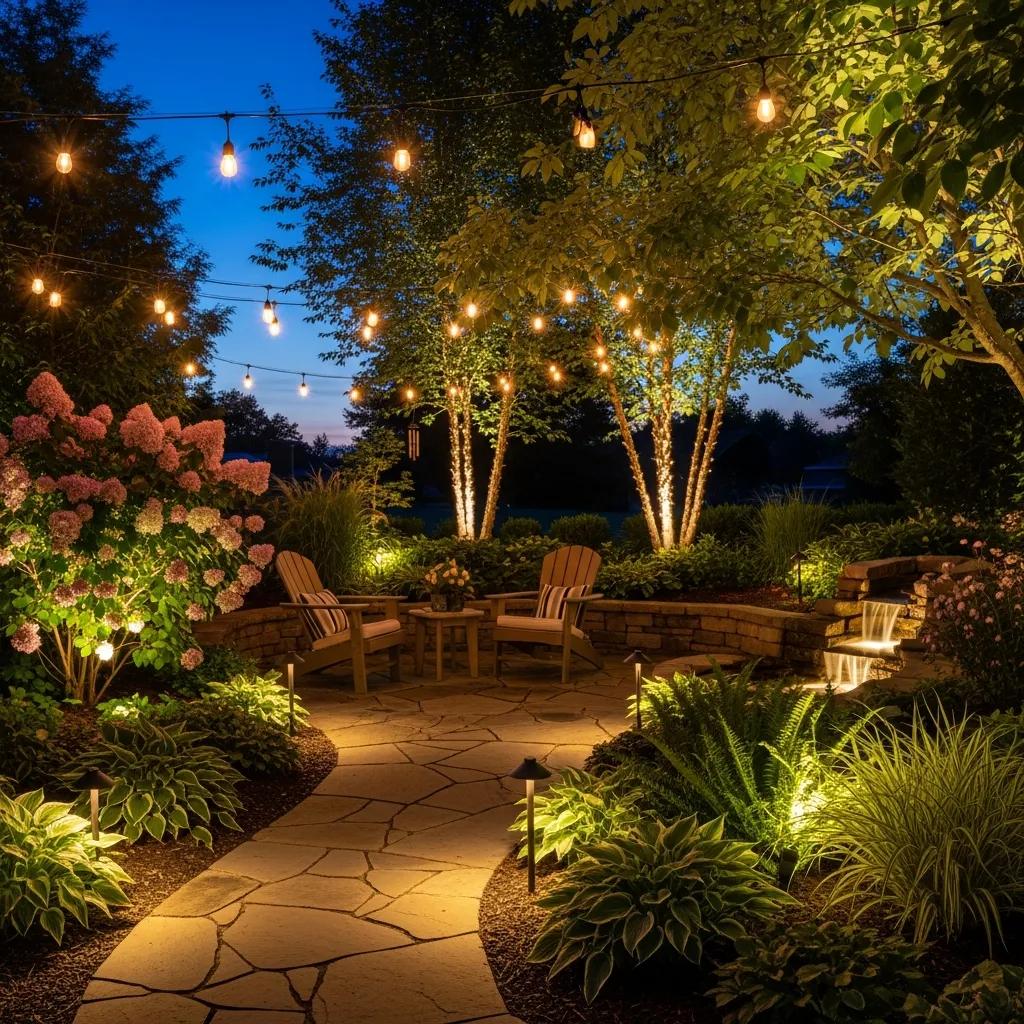
Choosing the right outdoor lighting company near you begins with understanding why professional installers matter: they ensure safety, enhance curb appeal, and deliver systems that last. This guide explains decision criteria, technology choices, process steps, budgeting considerations, and maintenance strategies so you can evaluate installers with confidence. Many homeowners and property managers face uncertainty about costs, warranties, and how lighting designs will look at night; this article offers practical checklists and vendor-interview questions to remove that uncertainty. You will learn which service types to consider, what quality indicators to prioritize, how the design and installation workflow usually unfolds, how to budget for different project scales, and how to keep systems performing over time. The sections that follow include service comparison tables for services, cost drivers, and maintenance plans, actionable checklists formatted for easy vendor comparisons, and practical examples of technology and warranty considerations to help you choose the best local outdoor lighting company.
What Are the Key Outdoor Lighting Services Offered by Top Companies?
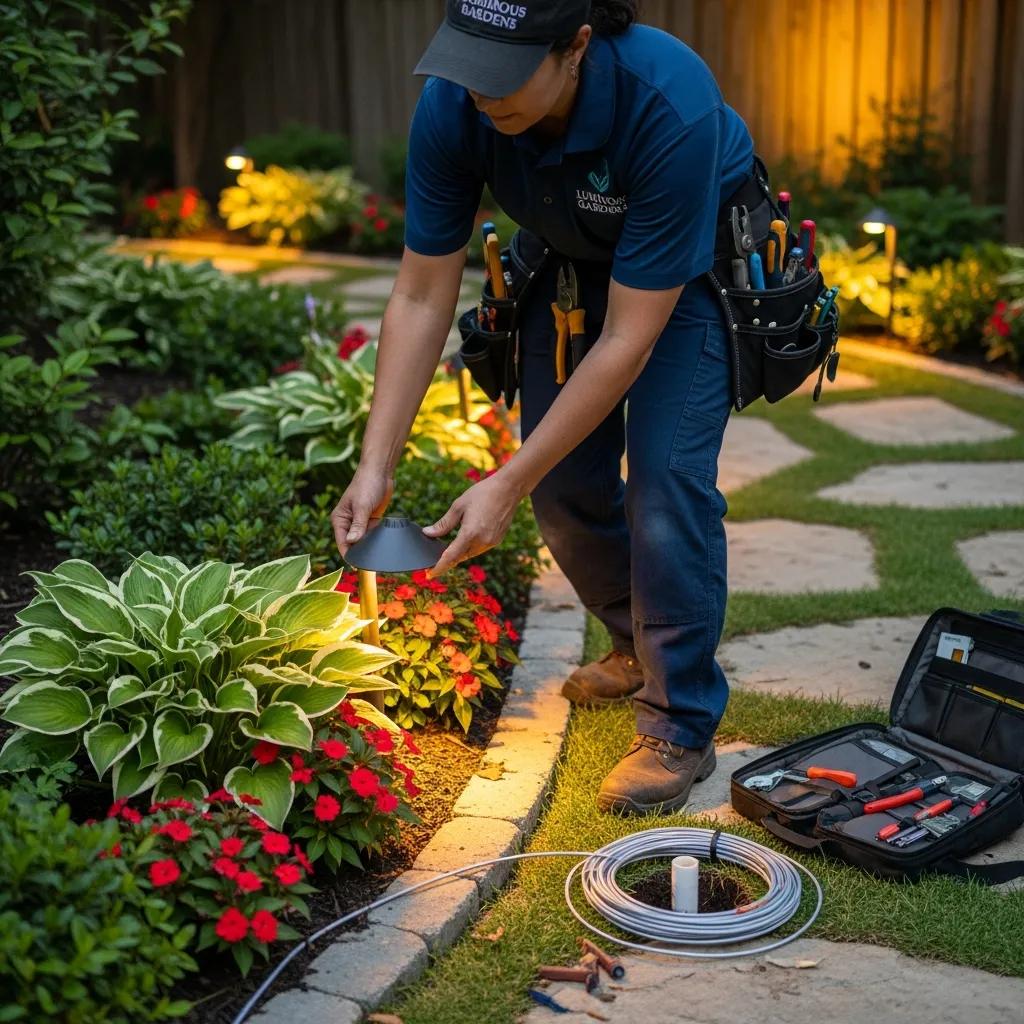

Top outdoor lighting companies typically offer a set of core services that address residential and commercial needs, each focused on distinct use cases and fixture types. These services include landscape lighting for plant and path accenting, permanent lighting systems designed for year-round operation, holiday lighting installations for seasonal décor, patio and entertaining lighting for outdoor living spaces, event lighting for short-term projects, and commercial lighting for larger properties and safety-focused applications. Understanding each service type helps you match an installer’s offerings to your project goals and informs questions about fixture quality and controls. The next paragraphs define specific lighting types and explain how professionals customize them for different properties.
Different outdoor lighting services have typical timelines, fixture sets, and primary use cases which help in planning and estimating project scope.
| Service Type | Typical Fixtures | Primary Use Case |
|---|---|---|
| Landscape Lighting | Path lights, well lights, spotlights | Accent plants, trees, and walkways for aesthetics and safety |
| Permanent Lighting | Low-voltage LEDs, underground wiring, transformers | Year-round illumination with durable hardware and controls |
| Holiday Lighting | String lights, roofline clips, commercial-grade timers | Seasonal décor and curb appeal for short-term display |
| Patio & Outdoor Living | Sconces, deck lights, recessed patio modules | Enhance usability and ambiance for outdoor entertaining |
| Event Lighting | Temporary uplights, stringers, battery-powered fixtures | Short-term installations for weddings, parties, and gatherings |
| Commercial Lighting | Area floodlights, facade washes, smart controls | Security, wayfinding, and branded exterior presentation |
This table clarifies how different services map to fixtures and intended outcomes, helping you decide which offerings match your property needs and which details to probe during vendor conversations.
Which Types of Outdoor Lighting Should You Consider?
Choosing lighting types begins with your goals: safety, aesthetics, entertainment, or brand presentation, and each option delivers different benefits and trade-offs. Path lighting improves navigation after dark and reduces trip hazards, while accent and architectural lighting emphasize plantings and building details for curb appeal. Security lighting and area illumination increase safety and deter intruders, but should be balanced with neighborly light control and smart scheduling. For patios and outdoor living, warm color-temperature LEDs and dimmable controls create comfortable entertaining spaces, and for seasonal displays, modular holiday systems simplify installation and removal.
Outdoor lighting options can be grouped by function to guide selection:
Path and walkway lighting for safe navigation and subtle guidance.
Accent and spotlighting to highlight trees, sculptures, or facades.
Patio and deck lighting for comfort and entertaining after dark.
Security and area lighting for safety and perimeter illumination.
Holiday and event lighting for short-term decorative impact.
Selecting among these types depends on your property’s layout and how you expect to use outdoor spaces, which leads into how professionals customize designs to fit those needs.
How Do Professional Companies Customize Landscape, Holiday, and Commercial Lighting?
Professional companies customize lighting through site assessment, design concepts, and careful fixture selection to achieve the client’s aesthetic and functional objectives. They start with a site visit to map sightlines, plant material, and electrical access, then create a concept that balances accent, path, and ambient sources while minimizing glare and light trespass. For holiday and event lighting, installers design modular systems that scale up or down and incorporate durable mounting hardware and programmable controls for repeatable setups. Commercial projects demand scalable plans, code compliance, and service agreements to support continuous operation and rapid repairs.
Customization typically progresses through staged deliverables so clients can visualize choices and sign off on final specifications before installation, which ensures fewer surprises and clearer budgets.
After outlining services and customization approaches, it is helpful to see real-world service examples from established providers. Blingle! is an outdoor lighting company specializing in year-round lighting services for residential and commercial properties, offering landscape lighting, permanent lighting, holiday lighting, patio lighting, event lighting, and commercial lighting as part of its core portfolio. Their service pages and portfolio examples illustrate how each service type can be executed at scale while maintaining aesthetic and durability standards. Reviewing such vendor portfolios can reveal whether a company’s style and technical approach align with your project goals, guiding your next steps in selecting a local installer.
What Should You Look for When Evaluating Outdoor Lighting Companies?
When evaluating outdoor lighting companies, prioritize experience, product quality, technology, warranties, and responsiveness to customer needs because these factors directly affect performance and long-term value. A strong portfolio with night photography demonstrates real results and helps you assess whether an installer’s aesthetic matches your expectations. Product quality—especially luxury LED modules and robust transformers—affects energy use, color rendering, and maintenance frequency, while modern visualization tools and smart controls reduce uncertainty and support design decisions. Verify warranty terms, insurance coverage, and clear service agreements to avoid surprises after installation.
A concise checklist helps target featured snippets and quick decision-making when comparing bids.
Experience and portfolio: Look for relevant before/after night photos and similar property types.
Product and control quality: Confirm use of long-life LED modules and reliable drivers.
Technology and visualization: Prefer vendors who offer design mockups or visualization tools.
Warranty and service: Require clear parts and labor coverage and documented service response.
Licensing and insurance: Ask for proof of necessary credentials and liability coverage.
This prioritized checklist simplifies vendor screening and leads naturally into how to read portfolios and why technology matters in selecting an installer.
How Does Experience and Portfolio Impact Your Choice?
Experience and a well-documented portfolio serve as practical proof of an installer’s capability to execute designs similar to your project, and they reveal craftsmanship, fixture selection, and nighttime balance. Examine portfolio entries for consistent image quality, notes on scope, and examples that show work on properties like yours; a company that documents lighting plans and results demonstrates process maturity. Look for diversity across residential and commercial projects, which suggests the ability to scale and adapt to site constraints and differing customer priorities. A robust portfolio also often includes case notes on challenges and how the company resolved them, which is a useful indicator of problem-solving skills.
Reviewing portfolios should be paired with reference checks and targeted follow-up questions to validate claims and uncover details about timelines, communication, and post-install support.
Why Are Innovative Technology and LED Lighting Important?
Innovative technology—visualization tools, smart controls, and luxury LED products—improves design clarity, energy efficiency, and long-term satisfaction by aligning expectations with outcomes and reducing operational costs. Visualization tools let you preview night renders so you can assess fixture placement and intensity before committing, reducing change orders and design iteration costs. Luxury LED lighting offers superior color rendering and longer lifespans, decreasing maintenance frequency and improving ROI through lower energy consumption. Smart controls and timers further enhance efficiency by automating schedules and enabling scene-based lighting that adapts to events, seasons, or security needs.
As an example of best practice, Blingle! highlights visualization tools and luxury LED lighting as part of its technology stack and emphasizes a worry-free guarantee and year-round service model to deliver reliable outcomes for homeowners and commercial clients.
How Does the Outdoor Lighting Design and Installation Process Work?
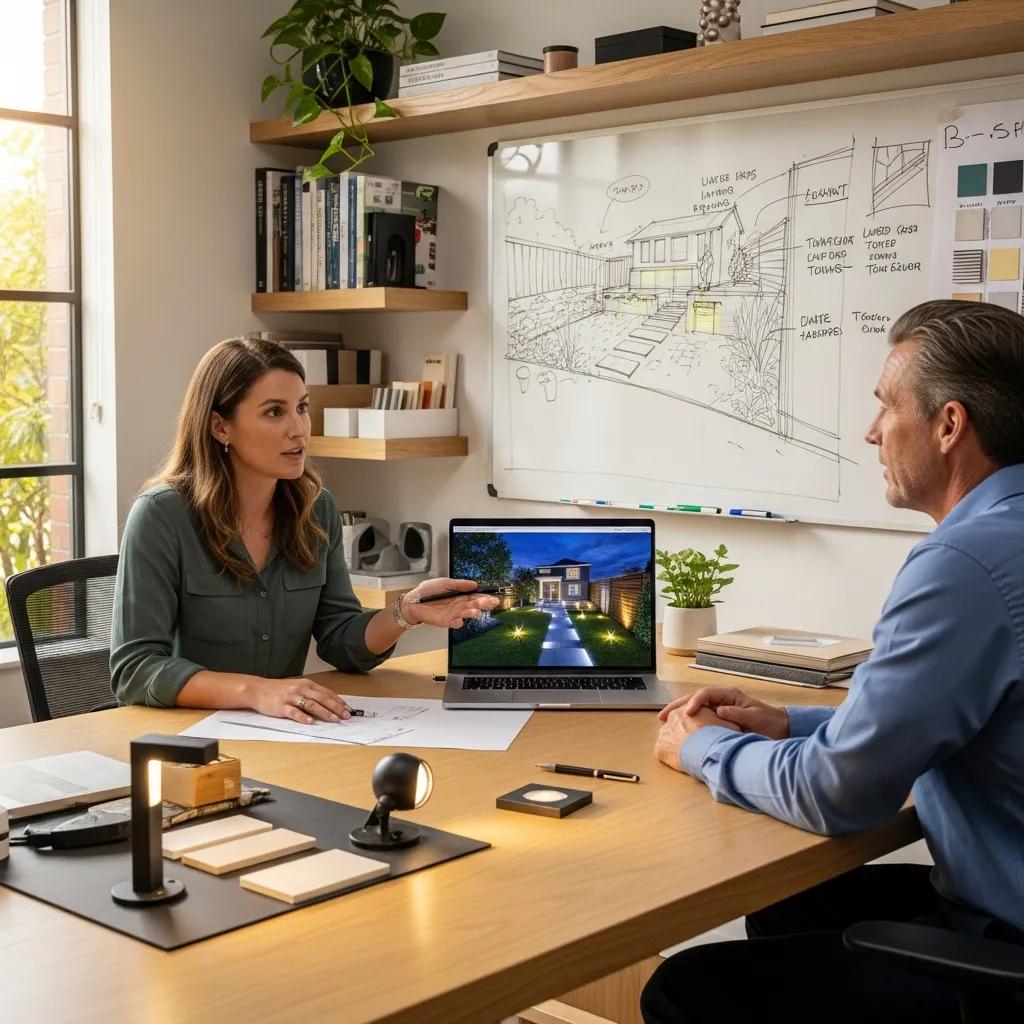
The professional design and installation process typically follows a clear sequence—consultation, site assessment, design and visualization, installation, commissioning, and post-installation support—to ensure predictable results and maintainability. During consultation, the installer gathers goals, budget range, and usage patterns; site assessment documents electrical access, landscape features, and mounting options; design translates goals into schematic plans and fixture schedules; visualization helps you approve light levels and placement; installation implements wiring, fixtures, and controls; commissioning verifies performance; and ongoing support covers maintenance and warranty activation. Knowing these stages prepares you to ask the right questions and set realistic timelines.
Below is a numbered process summary optimized for how-to featured snippets and to guide your vendor conversations.
Consultation & Goal Setting: Define purpose, aesthetic goals, and budget constraints.
Site Assessment & Measurement: Map existing conditions, electrical access, and obstacles.
Design & Visualization: Produce plans, fixture schedules, and night renders for approval.
Installation & Commissioning: Execute wiring, mount fixtures, and test systems for performance.
Post-Install Support: Activate warranties, train users on controls, and schedule maintenance.
This stepwise view clarifies what to expect at each phase and naturally transitions into the specifics of design deliverables and how visualization reduces uncertainty.
What Happens During the Design Consultation and Visualization?
Design consultations collect essential information—property photos, preferred focal areas, desired scenes, and existing electrical constraints—and set decision checkpoints for approvals and budget alignment. Visualization deliverables commonly include site plans, photorealistic night renders, fixture schedules, and control diagrams that let you review intensity, beam angles, and color temperature before installation. Effective visualization reduces misunderstandings, minimizes costly mid-project changes, and provides a clear scope for accurate estimates. Providing input such as favorite views, hosting habits, and security priorities helps designers tailor scenes to real use cases.
As a practical example, some providers use interactive visualization tools so clients can compare options side-by-side; Blingle! notes visualization as a core capability that supports client approvals and streamlines the transition from design to installation.
What Are the Steps in Professional Installation and Post-Installation Support?
Professional installation begins with site preparation—locating wiring paths, marking fixture positions, and securing necessary permits—then proceeds to trenching or conduit placement, low-voltage wiring and transformer setup, fixture mounting, aiming and balancing, and control integration. After installation, commissioning verifies circuit integrity, photometric balance, and control function, followed by a walkthrough that trains homeowners on schedules, scenes, and troubleshooting basics. Post-installation support typically includes warranty registration, scheduled maintenance options, and priority response windows for repairs to keep systems performing as intended.
Clear documentation of installed components and a service plan simplify future repairs and upgrades, which is particularly important for commercial properties with larger, more complex systems.
How Much Does Professional Outdoor Lighting Installation Cost?
Professional outdoor lighting costs vary widely because pricing depends more on project scope and component quality than on a single per-fixture rate; understanding primary cost drivers helps you budget effectively. Major cost factors include the number of fixtures and fixture quality, terrain and access complexity, electrical work and transformer requirements, control systems and automation, and required permits or subcontracted work. Instead of fixed prices, use tiered budgeting: entry (basic lighting scope with cost-effective fixtures), mid (higher-quality LEDs and controls), and premium (luxury LEDs, advanced controls, and comprehensive warranties). Considering lifecycle costs—energy savings from LEDs and lower maintenance—often changes the perceived value of higher upfront investments.
Key cost drivers are summarized below to target quick featured snippets and help you parse estimates.
Fixture count and fixture quality: More fixtures and premium fixtures increase material costs.
Site complexity and access: Difficult terrain, long trenching runs, and landscaping restoration raise labor.
Electrical upgrades and controls: Transformers, drivers, and smart control systems increase both parts and labor.
Permits and inspection needs: Regulatory requirements or HOA approvals can add time and expense.
Understanding these factors helps you compare vendor bids on like-for-like terms and plan phased installations if needed.
| Project Scope Factor | Attribute | Typical Cost Impact |
|---|---|---|
| Fixture Count | Number of fixtures required | High |
| Fixture Quality | Standard vs. luxury LED modules | High |
| Terrain Complexity | Trenching, rock, or irrigation conflicts | Medium to High |
| Electrical Work | Transformer, wiring length, service upgrades | Medium |
| Controls & Automation | Timers, smart controls, zoning | Medium |
The assessment of outdoor lighting solutions at the design stage involves considering various criteria to ensure quality and functionality. This approach allows for a thorough evaluation of different outdoor lighting types, as detailed in the following assessment procedure.
Multi-Criteria Assessment for Outdoor Lighting Design Stage The assessment of outdoor lighting solutions at the design stage. First of all, the lighting criteria for different types of outdoor lighting are presented. Such an approach allows the quality of the outdoor lighting to be assessed. A multi-criteria assessment procedure for outdoor lighting at the design stage, K Skarżyński, 2020
What Factors Affect Landscape Lighting Installation Cost?
Fixture type and brand, fixture count, and quality of LEDs are major material cost drivers because premium modules deliver better color rendering and longer life but cost more initially. Labor costs rise with site constraints such as rocky soil, mature root systems requiring careful trenching, or long wiring runs that require additional conduit and connections. Control systems—timers, smart controllers, and zoning—add to both material and programming labor, while required upgrades to electrical panels or transformer placement can push projects into higher cost tiers. Seasonal access restrictions and restoration of landscape after trenching also incur additional charges.
As you compare estimates, ask vendors to itemize fixture brands, LED specifications, expected lifespans, and whether pricing includes landscape repair to ensure bids are directly comparable.
How Can You Budget for Residential and Commercial Outdoor Lighting?
Budgeting strategies include phasing work by priority—addressing safety and high-visibility areas first, then adding accent and ambient lighting over time—and choosing a mix of entry and premium fixtures where they deliver the most visual impact. For large commercial projects, consider staged rollouts by building zone and secure service agreements that include preventative maintenance to protect uptime. Financing and payment terms are often available through installers or third parties, and incorporating energy savings projections from LED retrofits can justify higher upfront investments. Create a contingency buffer for unforeseen site conditions and permit delays to avoid project interruptions.
A phased approach paired with prioritized goals helps manage cash flow while still delivering meaningful improvements to safety and aesthetics.
When considering improvements to outdoor lighting, property owners and managers often need a straightforward method to estimate costs, especially when factoring in the expense of servicing more lamps. This technique helps in quickly answering questions about the financial aspects of enhancing outdoor lighting for both appearance and security.
Cost Estimation for Outdoor Lighting Improvements: Appearance and Security This paper presents a simple cost estimation technique for improving the appearance and security of outdoor lighting installations. The technique is intended to help property owners and managers to quickly answer questions about the cost of outdoor lighting improvements. It also considers the cost of servicing an increased number of lamps in the designs. A simple cost estimation technique for improving the appearance and security of outdoor lighting installations, 1998
What Questions Should You Ask Your Outdoor Lighting Contractor?
Asking targeted questions during vendor interviews protects your investment and clarifies expectations; focus on licensing, insurance, warranty specifics, project timeline, visualization deliverables, and post-install support. Ask vendors to explain their design process, request night photos of completed projects, and get written warranty terms that distinguish between parts and labor coverage. Also verify insurance and licensing where applicable, inquire about response times for repairs, and ask whether they provide scheduled maintenance plans. Document responses in a comparison checklist and score vendors on like-for-like criteria to make objective decisions.
The list below gives a practical Q&A-style checklist you can use during interviews to ensure consistency across bids and highlight red flags.
Are you licensed and insured? Ask for documentation of licenses and liability insurance certificates.
What is your warranty on parts and labor? Request written warranty terms and duration for both parts and labor.
Do you provide design visualization or night renders? Confirm whether visualization is included and how many revisions are allowed.
What is your expected timeline and payment schedule? Get a project schedule and payment milestones in writing.
What post-installation services are offered? Ask about routine maintenance plans and emergency response windows.
Using this question set helps you compare vendors on critical risk and quality metrics and points to specific contract language you should require.
Which Licensing, Warranty, and Customer Service Details Are Essential?
Essential credentials include proof of appropriate licensing and liability insurance to protect you from on-site accidents and to ensure contractors meet local practice standards. Warranty details should specify parts versus labor coverage, duration, and any exclusions for environmental damage or third-party alterations; clear warranty activation instructions help ensure claims are honored. Customer service expectations—such as response times for repair calls, scheduled maintenance intervals, and how change orders are handled—affect long-term system performance and budget predictability. Verify references and ask former clients about follow-through on service requests and warranty claims.
Demanding clear documentation upfront reduces disputes later and sets a professional tone for vendor relationships.
How Can a Checklist Help You Choose the Best Outdoor Lighting Company Near You?
A structured checklist lets you score vendors against consistent criteria—portfolio relevance, product quality, technology offerings, warranty strength, and communication responsiveness—so comparisons focus on value rather than price alone. Use a simple scoring matrix to weight attributes according to your priorities (for example, 40% design quality, 30% warranty/service, 30% price) and apply the matrix to each bid to produce an objective ranking. This approach highlights tradeoffs—such as higher initial cost for greater energy savings—and helps justify selecting a vendor that offers better long-term value. During interviews, record answers verbatim and follow up on unclear items to ensure accurate scoring.
A checklist-based comparison keeps decision-making transparent and defensible, especially when multiple stakeholders are involved.
How Do You Maintain and Extend the Life of Your Outdoor Lighting System?
Routine maintenance preserves light quality and reduces the need for early replacements by focusing on scheduled inspections, cleaning, electrical checks, and driver or transformer servicing; these tasks can be performed by homeowners for simple checks or by professionals for system-level maintenance. LED advantages—lower energy use and longer operational life—translate into fewer replacements but still require driver and connection inspections to avoid failures. Professional maintenance plans vary in frequency and scope, often offering seasonal checks, bulb and driver replacement, and priority repair windows; comparing these plans helps you choose a level of support that matches your risk tolerance and project scale. Implementing a maintenance regimen preserves appearance, maintains warranty compliance, and ensures scene consistency over time.
| Maintenance Plan | Frequency | Included Services |
|---|---|---|
| Basic Inspection | Annual | Visual inspection, control check, basic cleaning |
| Standard Care | Biannual | Inspection, cleaning, aim adjustments, minor repairs |
| Premium Service | Quarterly | Full inspection, driver/transformer checks, priority repairs |
This table demonstrates how increasing service frequency raises included benefits and response priorities, which informs budgeting decisions for residential versus commercial properties.
What Are the Benefits of LED Lighting for Longevity and Energy Efficiency?
LED lighting provides lower energy consumption and longer operational lifespans compared with older technologies, reducing replacement frequency and delivering measurable energy savings over time. LEDs also offer improved color rendering and precise beam control, which enhances landscape and architectural accents while minimizing light spill. Because LEDs rely on drivers and thermal management, proper installation and quality components are necessary to realize expected lifespans, making fixture and driver quality a critical selection criterion. Recent industry trends emphasize smart LED integrations that further reduce running costs through scheduling and adaptive controls.
Understanding these technical benefits supports investment decisions that favor higher-quality LEDs for long-term value and performance.
What Maintenance Plans and Troubleshooting Should You Expect?
Typical maintenance plans include scheduled inspections, cleaning of lenses and fixtures, checking and tightening electrical connections, testing timers and smart controls, and replacing failed drivers or bulbs as needed, with premium plans adding priority response and seasonal re-aiming. Homeowners can perform basic troubleshooting—verify power to the transformer, check control schedules, and inspect visible connections—but persistent flicker, driver failures, or circuit issues require professional diagnosis. Ensure your maintenance plan documents response times for repairs and what replacements are covered under warranty to avoid surprise costs. Regular documentation of service visits and component changes simplifies future warranty claims and system audits.
The transition to LED technology in outdoor street lighting, driven by EU legislation and the phasing out of older lamp types, significantly impacts life cycle costs. Analyzing these costs across different renewal scenarios, as demonstrated in the following study, highlights the financial advantages and differing cost structures associated with LED adoption.
Life Cycle Cost Analysis of Outdoor Street Lighting Renewals with LED Technology Outdoor lighting is facing major changes due to the EU legislation on ecodesign of energy-related products, such as the ban of high-pressure mercury (HPM) lamps widely used in outdoor lighting. This article presents life cycle costs (LCC) of three examples of replacing HPM lamps in street lighting in Finland. The purpose of the article is to assess how the development of light-emitting diode (LED) technology affects LCCs and how the division of LCCs differentiates in the cases. Life cycle cost analysis of three renewed street lighting installations in Finland, 2012
Blingle! offers year-round services and maintenance options as part of a worry-free guarantee and emphasizes luxury LED products and visualization tools to support ongoing performance and client satisfaction. For readers interested in a complimentary design consultation, Blingle! provides free design consultations—contact them through their consultation or scheduling channels to request a personalized lighting plan and professional estimate.
Frequently Asked Questions
1. How can I determine the right outdoor lighting style for my property?
Choosing the right outdoor lighting style involves assessing your property's architecture, landscape features, and intended use of outdoor spaces. Consider the primary functions you want to achieve, such as safety, ambiance, or aesthetic appeal. For instance, path lighting enhances navigation, while accent lighting highlights architectural details. Additionally, think about the color temperature and fixture design that complements your home’s style. Consulting with a professional can provide tailored recommendations based on your specific needs and preferences.
2. What are the common mistakes to avoid when hiring an outdoor lighting company?
Common mistakes include failing to check references, not reviewing portfolios, and overlooking warranty details. It's crucial to ensure the company has experience with projects similar to yours and can provide examples of their work. Additionally, neglecting to ask about maintenance plans and post-installation support can lead to issues down the line. Always clarify the scope of work and get everything in writing to avoid misunderstandings regarding costs and timelines.
3. How can I ensure my outdoor lighting is energy-efficient?
To ensure energy efficiency, opt for LED fixtures, which consume significantly less power than traditional lighting options. Additionally, consider installing smart controls that allow you to schedule lighting based on usage patterns, reducing unnecessary energy consumption. Using motion sensors can also enhance efficiency by activating lights only when needed. Regular maintenance, such as cleaning fixtures and checking for faulty components, will help maintain optimal performance and energy savings over time.
4. What should I expect during the outdoor lighting installation process?
During the installation process, you can expect a series of steps starting with a site assessment, where the installer evaluates your property and discusses your lighting goals. Following this, they will create a design plan and obtain your approval before proceeding. The actual installation involves wiring, fixture placement, and testing the system to ensure everything functions correctly. After installation, a walkthrough will typically be conducted to familiarize you with the controls and maintenance requirements.
5. How often should I maintain my outdoor lighting system?
Maintenance frequency depends on the type of system and environmental factors, but a general guideline is to conduct a thorough inspection at least once a year. This includes checking for burnt-out bulbs, cleaning fixtures, and ensuring that all electrical connections are secure. For systems with smart controls or complex setups, consider more frequent checks, such as biannual or quarterly maintenance, to ensure optimal performance and longevity of your lighting system.
6. Are there specific regulations or permits required for outdoor lighting installations?
Yes, outdoor lighting installations may require permits depending on local regulations, especially for commercial properties or extensive residential projects. It's essential to check with your local municipality or homeowners' association to understand any zoning laws, light pollution regulations, or specific installation guidelines. A reputable outdoor lighting company should be familiar with these requirements and can assist you in obtaining the necessary permits to ensure compliance.
7. What are the benefits of using smart lighting controls for outdoor systems?
Smart lighting controls offer numerous benefits, including enhanced convenience, energy efficiency, and security. With smart controls, you can schedule lighting to turn on and off automatically, adjust brightness levels remotely, and even integrate with home automation systems. This flexibility allows for tailored lighting scenarios based on your lifestyle and needs. Additionally, smart controls can help reduce energy costs by ensuring lights are only on when necessary, contributing to overall sustainability efforts.
Conclusion
Choosing the right outdoor lighting company can significantly enhance your property's safety, aesthetics, and functionality. By understanding the key services, customization options, and cost factors, you can make informed decisions that align with your goals. Don't hesitate to reach out for a personalized consultation to explore the best lighting solutions for your space. Start illuminating your outdoor areas today by contacting a trusted professional for expert guidance.