

What to Ask Before Hiring an Outdoor Lighting Company
Outdoor lighting can dramatically change how a home, business, or community looks after sunset. But the quality of the finished project depends on more than the fixtures you choose.
Design, placement, installation methods, equipment quality, controls, maintenance, warranties, and ongoing support can all affect how your lighting looks and performs over time.
That makes choosing the right outdoor lighting company an important part of the project.
Before signing a contract, don't be afraid to ask questions. A professional lighting company should be able to explain what it recommends, why it recommends it, what is included in your proposal, and what happens after installation.
Here are some of the most important questions to ask before hiring an outdoor lighting company.
1. Do You Create a Custom Lighting Design?
This is one of the first questions to ask.
Professional outdoor lighting shouldn't simply mean placing fixtures wherever there happens to be an available location.
Every property is different.
A lighting designer should consider factors such as:
Architecture
Landscaping
Trees and plantings
Walkways
Entrances
Outdoor living spaces
Existing lighting
Areas of the property that are naturally dark
How the property is used after sunset
The features you want to emphasize
The overall appearance you want to create
Ask whether the company will evaluate your property and develop a design specifically for it.
The goal should be to determine where lighting will have the greatest impact, not simply how many fixtures can be installed.
2. Can You Show Me What the Lighting Will Look Like?
Outdoor lighting can be difficult to visualize during the day.
You may understand where fixtures will be installed without really knowing how the finished property will look after dark.
Ask whether the lighting company offers a design visualization, demonstration, rendering, or another way to help you understand the proposed result.
This can be especially useful for larger projects involving multiple areas of a property.
Seeing the concept before installation may also make it easier to discuss changes before the project begins.
3. What Areas Do You Recommend Lighting and Why?
A good lighting professional should be able to explain the reasoning behind the design.
Don't settle for "we always put a light here."
Ask why particular areas have been selected.
For example, a designer may recommend uplighting a large tree because it provides height and creates a focal point. Another fixture might be positioned to emphasize stonework, while pathway lighting could be used to improve visibility along a frequently traveled route.
Understanding the purpose of each part of the design helps you evaluate whether the proposal addresses your priorities.
4. How Will You Avoid Over-Lighting the Property?
More lighting does not automatically create better lighting.
In fact, too much light can diminish the effect of an otherwise attractive design.
Professional landscape lighting often relies on contrast. Illuminated areas stand out partly because darker areas remain around them.
Ask how the company determines appropriate brightness levels and how it prevents glare, excessive brightness, or unnecessary light from spilling into areas where it isn't wanted.
This can be particularly important for residential properties, condominium communities, HOAs, and properties located close to neighboring homes.
5. What Type of Fixtures Will You Use?
Not all outdoor lighting equipment is the same.
Ask what fixtures the company plans to install and why they were selected.
You may want to discuss:
Fixture construction
Materials
Finish
Expected durability
Weather resistance
Light output
Beam spread
Color temperature
Energy efficiency
Replaceable components
Manufacturer warranties
A fixture may look good when it is first installed, but outdoor lighting is exposed to changing weather throughout the year.
Equipment quality matters.
6. Do You Use LED Lighting?
LED lighting has become a popular choice for outdoor applications because it combines energy efficiency with considerable design flexibility.
But simply knowing that a system uses LEDs isn't enough.
Ask about the LEDs being proposed, including brightness, color temperature, expected life, and whether components can be serviced or replaced.
You should also ask how the lighting company selected the particular LED products included in your proposal.
7. What Color Temperature Do You Recommend?
Two outdoor lights can technically be "white" while looking completely different.
Color temperature affects whether light appears warmer and more golden or cooler and more bluish.
The appropriate choice may depend on your property's architecture, building materials, landscaping, existing exterior lighting, and the atmosphere you want to create.
Ask your lighting designer what color temperature is being recommended and why.
Consistency is also important. Mixing noticeably different shades of white light throughout a property can make the finished design feel disconnected.
8. How Will the Fixtures Be Positioned?
Fixture placement can be just as important as fixture quality.
A well-positioned light can highlight an architectural feature or mature tree while keeping the fixture itself relatively unobtrusive.
Poor positioning can create glare, unwanted shadows, uneven lighting, or visible hot spots.
Ask where fixtures will be installed, how they will be aimed, and whether the installation accounts for normal landscaping growth.
For larger properties, ask how the different lighting zones will work together as one overall design.
9. How Will the System Be Controlled?
Find out how you will turn your outdoor lighting on and off.
Depending on the system, controls could include timers, astronomical timers, photocells, smart controls, apps, or other technology.
Ask whether the system automatically adjusts as sunset times change throughout the year.
You should also understand whether different areas can be controlled independently.
For example, you may want everyday landscape lighting to operate on one schedule while decorative or entertaining areas operate differently.
10. Is Permanent Lighting an Option?
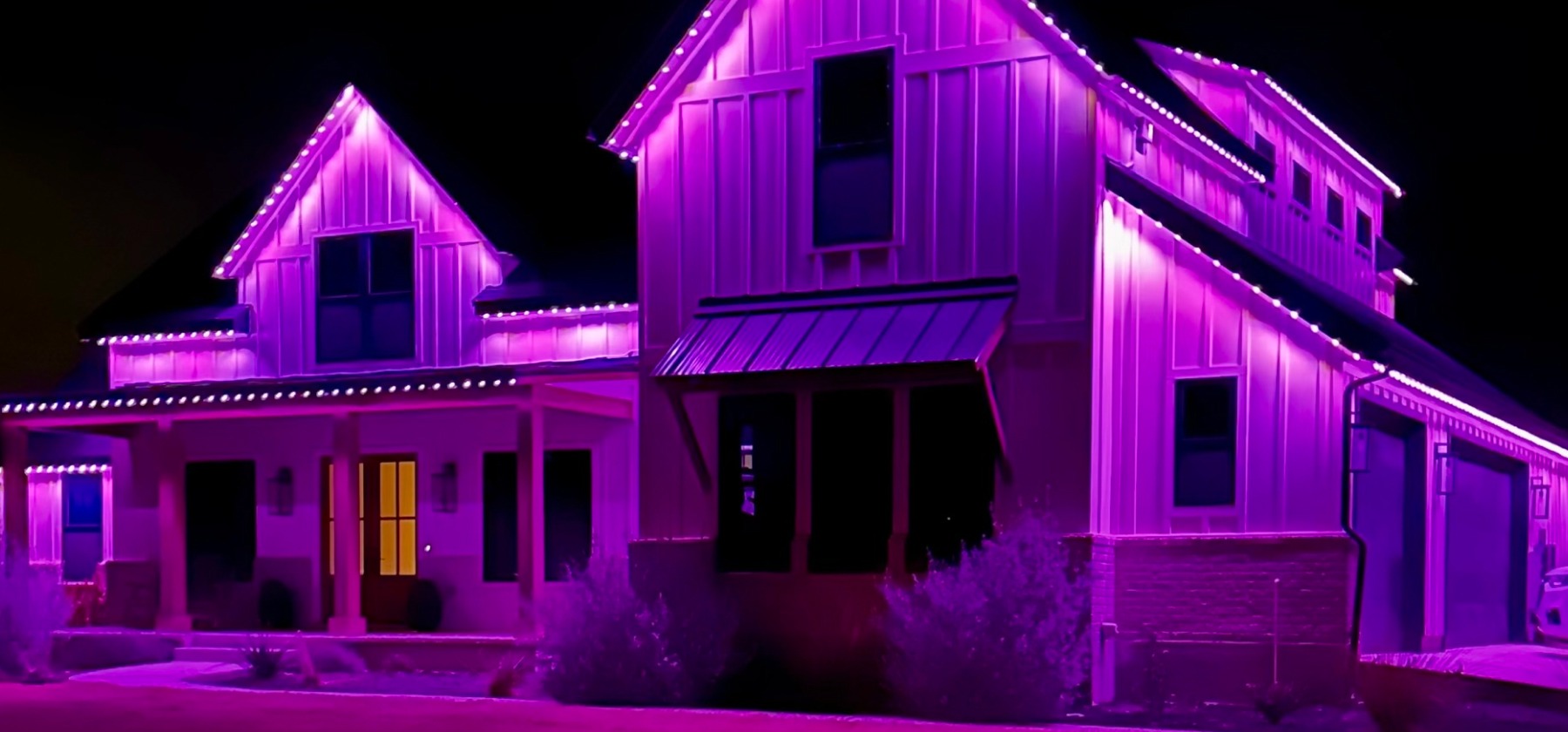
If you are interested in changing the appearance of your property for holidays, events, or different seasons, ask whether permanent lighting is appropriate.
Permanent lighting systems can offer greater flexibility than traditional static outdoor lighting in certain applications.
Depending on the system, property owners may be able to change colors or lighting effects for occasions such as:
Christmas
Halloween
Independence Day
Birthdays
Parties
Community events
Business promotions
Special celebrations
If you're considering permanent lighting, ask what the system looks like when it isn't being used for a special occasion.
A quality permanent installation should complement the property during everyday use rather than looking like temporary holiday lights left up all year.
11. What Is Included in the Estimate?
Don't compare outdoor lighting proposals based only on the number at the bottom.
Find out exactly what you're getting.
Ask whether the estimate includes:
Lighting design
Fixtures
Transformers
Wiring
Controls
Installation
Programming
Cleanup
Adjustments
Warranties
Follow-up service
Two quotes that initially appear similar may include very different equipment and services.
A detailed proposal makes it easier to understand what you're actually purchasing.
12. Can the Project Be Completed in Phases?
You may have a vision for the entire property without wanting to complete everything immediately.
Ask whether the lighting system can be designed with future expansion in mind.
For example, you might begin with:
Phase 1: Front entrance and architecture
Phase 2: Landscape and trees
Phase 3: Walkways and pathways
Phase 4: Patio and outdoor living areas
Planning for those future phases from the beginning may prevent unnecessary changes later.
This can be particularly useful for businesses, HOAs, condominium communities, and larger residential properties.
13. What Happens If My Landscaping Changes?
Landscapes aren't static.
Shrubs grow. Trees mature. Flower beds change. New plants are added. Hardscaping may eventually be redesigned.
Ask whether fixtures can be repositioned or adjusted as the landscape evolves.
A lighting design that looks great today should have enough flexibility to adapt to reasonable changes in the property.
14. How Will the System Handle Local Weather?
Outdoor lighting equipment needs to perform outside throughout the year.
In Massachusetts, that means dealing with rain, snow, ice, freezing temperatures, summer heat, falling leaves, landscaping activity, and snow removal.
Ask what steps the installer takes to protect fixtures, wiring, connections, and other system components.
You may also want to ask whether certain fixtures need to be positioned differently because of snow accumulation or routine property maintenance.
15. What Maintenance Will My Lighting Need?
Ask this before installation, not afterward.
Even a high-quality outdoor lighting system may occasionally require adjustments or maintenance.
Fixtures can shift. Plants can grow in front of lights. Landscaping work can disturb components. Trees can change significantly over several years.
Ask what routine maintenance is recommended and whether the company provides ongoing service.
Also find out whether maintenance is included with your purchase or available separately.
16. What Happens If Something Stops Working?
This is one of the most practical questions you can ask.
Who do you call if a light stops working six months after installation?
What about two years later?
Ask about the company's service process and typical procedure for troubleshooting problems.
A lighting company that installs your system but provides little post-installation support may leave you searching for someone else to service equipment later.
17. What Warranty Do You Provide?
Ask about both manufacturer warranties and any warranty or guarantee offered by the lighting company itself.
Specifically, determine what is covered.
Does the warranty cover fixtures?
LED components?
Transformers?
Installation?
Labor?
How long does coverage last?
Are there exclusions?
Don't assume that "warranty included" means every part of the project has the same coverage.
18. Do You Provide Holiday Lighting?
Even if you're currently considering landscape or architectural lighting, it may be useful to know whether the same company offers professional holiday lighting.
Working with one lighting provider can make it easier to coordinate year-round and seasonal designs.
Ask whether holiday services include:
Design
Lights and decorations
Installation
Timers
Maintenance during the season
Removal
Storage
If you own or manage a commercial property or HOA, ask whether the company can handle larger displays involving entrances, trees, rooflines, common areas, and multiple buildings.
19. Do You Provide Event Lighting?
If you frequently entertain at home or manage a business, HOA, club, venue, or community property, event lighting may also be useful.
Ask whether the company can provide temporary lighting for outdoor events, parties, weddings, community gatherings, corporate events, or seasonal celebrations.
A company that handles landscape, architectural, permanent, holiday, and event lighting may be able to develop a more consistent overall lighting strategy for your property.
20. Can You Show Me Examples of Your Work?
Ask to see completed projects.
Don't simply look at whether you like the properties in the photographs. Pay attention to the lighting itself.
Look for:
Balanced brightness
Clear focal points
Attractive use of shadows
Subtle fixture placement
Consistent color temperature
Effective tree lighting
Architectural details
Well-lit pathways
Natural transitions between brighter and darker areas
Examples can also help you communicate what you like and don't like before your own design is finalized.
21. Who Will Actually Install My Lighting?
Ask whether the company you're hiring performs the installation or whether the work will be handed off to someone else.
You should know who will be working on your property and who is responsible for the completed installation.
Also ask whom you should contact if you have questions during the project.
Clear responsibility makes communication much easier.
22. What Happens After Installation?
A professional outdoor lighting project shouldn't necessarily end the moment the final fixture is installed.
Ask whether the company evaluates the completed system after dark.
Lighting may need minor aiming or positioning adjustments once the entire design can be viewed together.
You should also know what happens if you notice something you'd like adjusted after you've had a chance to experience the lighting yourself.
23. Can You Handle a Property Like Mine?
Outdoor lighting projects vary considerably in scale and complexity.
A small residential landscape project is different from illuminating an HOA community, condominium development, commercial property, or large estate.
If your project is more complex, ask whether the company has experience with similar properties.
For an HOA or commercial property, you might also ask about experience working with property managers, association boards, businesses, and other decision-makers.
24. Are There Any Areas You Wouldn't Recommend Lighting?
This question can tell you a lot about a lighting designer.
A professional shouldn't necessarily recommend putting lights everywhere simply because you have space for them.
Ask which areas the designer would intentionally leave darker.
Strategic darkness creates contrast and can make the illuminated portions of the property more visually interesting.
If the answer is essentially "we can put lights everywhere," ask more questions about the overall design philosophy.
25. What Would You Do If This Were Your Property?
Finally, give the lighting professional an opportunity to make recommendations.
You may begin the process thinking you need six pathway lights and two spotlights.
An experienced designer may see possibilities you hadn't considered.
Ask:
"If this were your property, where would you start?"
Then ask why.
The explanation can tell you a great deal about whether you're speaking with someone interested primarily in selling fixtures or someone thinking about the finished lighting design.
Choosing the Right Outdoor Lighting Company
The best outdoor lighting projects don't necessarily have the most fixtures or the brightest lights.
They have a plan.
The lighting should complement the property, emphasize important features, provide useful illumination where it is needed, and create the desired atmosphere without overwhelming the surroundings.
Before choosing a lighting company, make sure you understand both the product you're buying and the service you're receiving.
Ask about design. Ask about equipment. Ask about installation. Ask about maintenance. Ask about warranties. And perhaps most importantly, ask what happens after the project is finished.
A reputable outdoor lighting company should welcome those questions.
Looking for an Outdoor Lighting Company in Waltham, MA?
If you're considering professional outdoor lighting in Waltham or the surrounding Greater Boston area, Blingle Premier Lighting of Waltham can help you explore the possibilities for your property.
Our team provides customized lighting solutions for homes, businesses, HOAs, condominium communities, and other properties, including landscape lighting, architectural lighting, permanent lighting, holiday lighting, and event lighting.
We can evaluate your property, discuss what you want to accomplish, and develop a lighting design around your needs rather than forcing your property into a predetermined package.
Contact Blingle Premier Lighting of Waltham to schedule a no-obligation consultation and bring your questions. We'll help you understand your options before you make your decision.
The Blingle! Blueprint: Your Lighting Plan
-
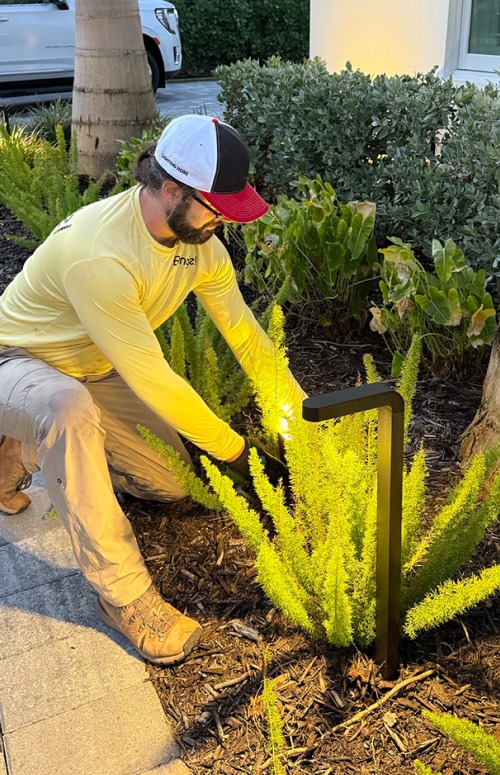
Request a Design ConsultationThrough an online or in-person consultation, we’ll discuss your needs and provide suggestions based on our years of experience and wide range of lighting solutions.
-
Visualize Your LightingAfter the consultation, you will receive digital images of your property that showcase our lighting design, as well as a price estimate for the entire project.
-
InstallationIf you like what you see and accept our proposal, we’ll schedule installation at your convenience and let our team of professionals handle the rest.
-
Maintenance & SupportWe stand behind our work and offer warranties for any issues that may arise. Our experts will troubleshoot and fix any problems at no cost.
-

Explore Our Family Of Brands